Self Employed Mortgage Advice in Leeds
As the years progress, we’re seeing more and more people move into self employed career paths, becoming their own boss so to speak. As it is, an employee will very likely move on in their career, as opposed to keeping with their first employer all the way until retirement.
When providing self employed mortgage advice in Leeds, we find that many customers state the reason for changing their careers is to improve their financial circumstances and personal growth.
Nowadays there are lots of different opportunities out there for self employed workers and freelancers, especially in the digital sector. The world is becoming more technologically advanced by the day, interconnecting us with people all over the world.
The world of mortgages is constantly learning and growing too, adapting to changes in applicant behaviour. Once upon a time it was quite complex if you were self employed in Leeds, to get a mortgage.
That isn’t the case anymore, however, as whilst there can be some difficulty, it’s overall much easier and more accessible for self employed mortgage applicants to obtain a mortgage on their home.
Essential Self Employed Mortgage Tips
A mortgage when you are self employed, is same as it would be for anyone else, with the exception of evidencing your income. The key to any mortgage is to ensure you are as prepared as possible for the mortgage journey ahead.
Below we have compiled a list of questions and topics that may be beneficial to you as an applicant who is self employed in Leeds.
- How many years accounts do I need?
- Are you a director of a limited company and looking for some mortgage advice?
- How much deposit do you need to put down?
- Contractor Mortgages
- Can you still get a self-cert mortgage?
How many years accounts do I need?
The minimum required amount of accounts when applying for a mortgage, is typically one years’ accounts, though some mortgage lenders will want to see at least two, perhaps more.
In any case, it’s always recommended to have a few years to go off, to give you the best chance of mortgage success. The reason why some lenders want more than one year, is due to the amount of new businesses that are unsuccessful.
A mortgage lender needs to be careful in who they are lending to and they will want to avoid having to repossess a property at all costs. As such they need to trust their applicants, and with self employed applicants, that means seeing a good track record with a business.
I’m a Director of a Limited Company and Need Mortgage Advice
Normally, if you are a director of your own limited company, you are technically an employee of your own business. Mortgage lenders have a different approach, only seeing it as such if you own less than 25% of company shares.
Mortgage lenders will often add the dividend you have drawn to your annual salary, in order to work out your yearly earnings. The amount that you can borrow for your mortgage will get based on a multiple of this figure.
You will find the occasional mortgage lender will work from your net profit rather than your salary/dividend. This type of practice works in favour of directors who like keeping their drawings low.
How much deposit do I need to put down?
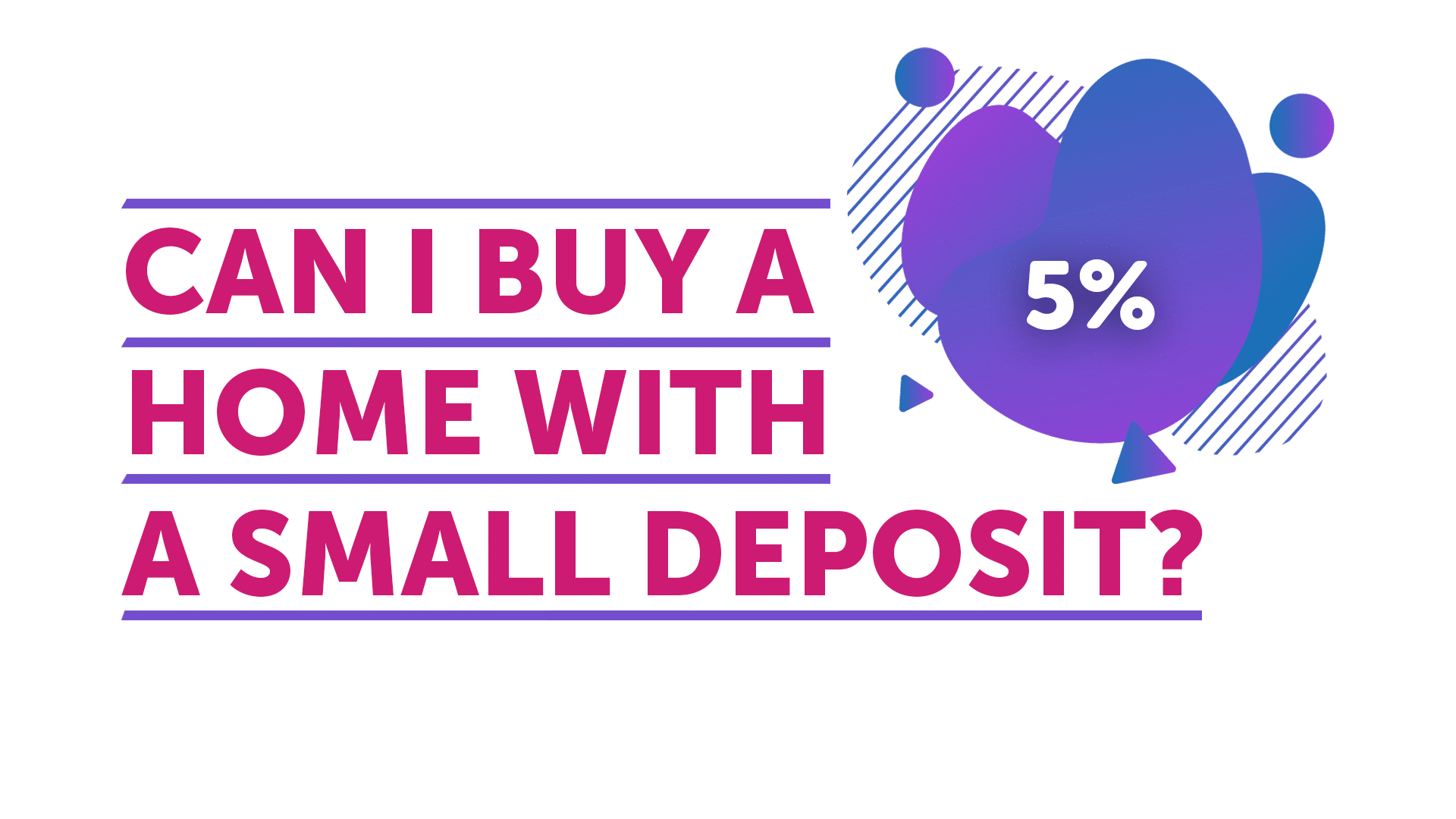
You will typically still require a minimum of a 5% deposit for a self employed mortgage in Leeds. The mortgage process is no different for self employed applicants, with the exception being how your income is evidenced.
If you only have one years’ accounts to your name, it might be worth increasing your deposit amount, purely to increase your chances of achieving mortgage success.
Contractor Mortgages
There are lots of different mortgage options available for contractors. We find that it’s quite common to encounter applicants who have short-term contracts.
If you are able to evidence a good track record, your lender may consider taking your ‘daily rate’ over your net profit. Some mortgage lenders will also consider treating you as self-employed instead if that works out better.
You will need to know long of a duration is left on your current contract, as mortgage lenders will want to know this. They must be sure that your income will be ongoing, as they will be trusting you to keep up monthly mortgage payments.
It is even possible to get a mortgage when you are on your first contract. Of course, this all depends on your specific circumstances.
Can you still get a self-cert mortgage?
You can no longer get a self-cert mortgage as they were heavily mistreated. These likely aren’t coming back into the mainstream anytime soon.
How We Can Help You
We know that trying to obtain a mortgage as a sole trader, partner, or company director can be difficult. It can be much easier for an employed applicant, due to the fewer hoops they have to jump through to evidence income.
Depending on the mortgage lender that you are looking at, you will find that there may be stricter mortgage lending criteria with some, than others. This is why asking for the help of a mortgage broker in Leeds can be beneficial.
We are able to guide you all throughout your mortgage process, helping you with evidencing your self employed income and searching through thousands of mortgage deals on your behalf.
Every customer who gets in touch will benefit from a free initial mortgage appointment with one of our dedicated mortgage advisors in Leeds. We’ll advise as best we can on your situation and recommend the most appropriate self employed mortgage deal for you.
Date Last Edited: December 6, 2023